Diabetes Recipes: Breakfast Ideas

Get diabetes-friendly breakfast ideas and tips on what to eat for breakfast to help maintain normal blood glucose levels.

27 January 2022
Diabetes Recipes: Breakfast Ideas HERO

Breakfast is an important meal for people with diabetes. Studies show that your first morning meal can lower your chance of overeating throughout the day,1  and positively impact your blood sugar levels.

As a person living with diabetes, picking the right foods for breakfast really matters. Many popular breakfast foods have sugar and carbohydrates, which can increase your blood sugar levels.1 You’ll also want to avoid high-sugar and high-fat foods if you’re watching your weight.

Speak with your healthcare provider before making any dietary changes so you can receive personalized advice and support.  

5 breakfast foods that are good for maintaining normal blood glucose levels

Start your day off in a positive way with these diabetes breakfast ideas. They're easy to make, low in sugar, and perfect for helping you maintain normal blood sugar levels.

1. Eggs

Versatile and delicious, eggs are low in carbohydrates and make a great breakfast idea for a person with diabetes. One egg has about 6 grams of protein and 70 calories.2 

Did you know? Studies show that eating eggs can help lower HbA1c and fasting blood sugar levels in people with type 2 diabetes.3

Tip:  For variety, alternate how you prepare eggs — try them scrambled, poached, fried, or cook a delicious omelet packed with all your favorite vegetables.

Egg yolks are heavy in fat and cholesterol, so be mindful of the amount you include in your diet. 


2. Oatmeal

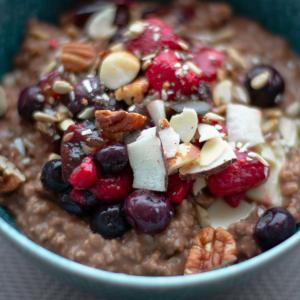
While oatmeal is higher in carbohydrates, it’s still a good breakfast choice for people with diabetes,4 because the high fiber content may help reduce blood glucose levels.5,6 

Tip: Keep it healthy but with a hint of sweetness and flavor by using unsweetened Greek yogurt, cinnamon, nuts, or your favorite berries. Remember that fruits contain sugar, so be mindful of how much you add.


3. Unsweetened yogurt

For a healthier breakfast option, avoid flavored yogurts, which are often high in sugar and fat. Instead, choose unsweetened yogurts, like Greek yogurt, which is a more nutritious choice for a balanced diabetes diet.

Did you know? Some studies indicate that eating dairy products like yogurt may help lower blood sugar levels and make it easier to manage blood sugar.7

Tip: Add some texture and sweetness with blueberries, raspberries, nuts, or even pumpkin seeds. As always, watch the amount of fruit since they contain sugar.


4. Multigrain avocado toast

Avocado toast has become a popular breakfast dish, and it’s also a healthy one.8

Avocados offer healthy fats,9 and combined with the fiber in multigrain bread, can keep you feeling full.

Tip: Keep it vegan by adding a bit of vegan-friendly chili sauce, salt, or pepper. If you eat eggs and dairy, top your toast with a fried or boiled egg to add more protein.


5. Cottage cheese with nuts or fruit

Cottage cheese, a type of fresh cheese, is a popular option for a high-protein breakfast that's mild in flavor.

Did you know? As a dairy product, adding cottage cheese to your diet may help reduce insulin resistance.10 And research shows that cottage cheese can keep you full for about 3 hours,11 making it ideal for managing your appetite and keeping your energy steady — something particularly valuable for managing diabetes.

Tip: If you like a sweet start to your day, pair cottage cheese with some fruit; if you are more of a savory morning person, try some vegetables.

More diabetes breakfast tips

Here are a few other tips to keep in mind when choosing what to eat for a diabetes-friendly breakfast: 

  • Skip white bread. Choose whole-grain options instead.
  • Choose whole fruits. Eat a piece of fruit instead of drinking fruit juice for breakfast. Fruit juices tend to have a high glycemic load and lack the helpful fibers found in whole fruits. That is why drinking fruit juice instead of eating whole fruits can make you feel hungry sooner and cause a rapid increase in glucose and insulin levels.12 If you’re trying to control your blood sugar and feel full, eating whole fruit is your best bet.
  • Get plenty of protein. Low-fat dairy, legumes, nuts, and animal products are good protein sources and can keep you feeling full.
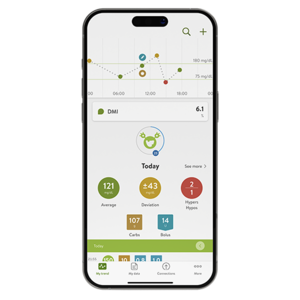
  • Keep track of the carbohydrates. Using your favorite diabetes management app to count your carbohydrates is important because they can add up quickly. 
  • Look for high-fiber foods. Your body digests fiber more slowly, so you won’t get hungry too fast.13 Foods containing high fiber include whole-grain cereals and bread, seeds, fruit, and beans.
  • Choose fats from healthy foods. Instead of sausage and ham, try chicken sausage or turkey bacon. Nuts are a good source of fat, too. Fats from vegetables, red, unprocessed meat, and dark chocolate have all shown health benefits.14
  • Watch your portion sizes. Controlling the portion sizes won’t only boost your energy levels,15 but will also help lower the risk of hypoglycemia and support maintaining a healthy weight.16
  •  Keep an eye on condiments. Jams, jellies, and syrups have lots of sugar.

Remember, breakfast is essential for people with diabetes.1 A healthy meal can start your morning off well and make it easier to stick to a healthy diabetes meal plan all day long. And the good news is that some of these diabetes breakfast ideas aren't limited to breakfast. Enjoy them as snacks throughout the day, or turn them into other meals. 

Resources

  1. Chang CR, Francois ME, Little JP. Restricting carbohydrates at breakfast is sufficient to reduce 24-hour exposure to postprandial hyperglycemia and improve glycemic variability. Am J Clin Nutr. 2019;109(5):1302-1309. doi:10.1093/ajcn/nqy261
  2. FoodData Central. Accessed January 19, 2024. https://fdc.nal.usda.gov/fdc-app.html#/food-details/748967/nutrients.
  3. Pourafshar S, Akhavan NS, George KS, et al. Egg consumption may improve factors associated with glycemic control and insulin sensitivity in adults with pre- and type II diabetes. Food Funct. 2018;9(8):4469-4479. doi:10.1039/C8FO00194D
  4. Ryan Raman. 14 Best Breakfast Foods for People with Diabetes. Healthline. Published March 23, 2021. Accessed January 19, 2024. https://www.healthline.com/nutrition/breakfast-foods-for-diabetics
  5. Hou Q, Li Y, Li L, et al. The Metabolic Effects of Oats Intake in Patients with Type 2 Diabetes: A Systematic Review and Meta-Analysis. Nutrients. 2015;7(12):10369-10387. doi:10.3390/nu7125536
  6. Chen V, Zurbau A, Ahmed A, et al. Effect of oats and oat ß-glucan on glycemic control in diabetes: a systematic review and meta-analysis of randomized controlled trials. BMJ Open Diabetes Res Care. 2022;10(5):e002784. doi:10.1136/bmjdrc-2022-002784
  7. Li G, Feng H, Mao XL, et al. The effects of probiotics supplementation on glycaemic control among adults with type 2 diabetes mellitus: a systematic review and meta-analysis of randomised clinical trials. J Transl Med. 2023;21(1):442. doi:10.1186/s12967-023-04306-0
  8. Dreher ML, Davenport AJ. Hass avocado composition and potential health effects. Crit Rev Food Sci Nutr. 2013;53(7):738-750. doi:10.1080/10408398.2011.556759
  9. FoodData Central. Accessed January 19, 2024. https://fdc.nal.usda.gov/fdc-app.html#/food-details/171705/nutrients
  10. Sochol KM, Johns TS, Buttar RS, et al. The Effects of Dairy Intake on Insulin Resistance: A Systematic Review and Meta-Analysis of Randomized Clinical Trials. Nutrients. 2019;11(9):2237. doi:10.3390/nu11092237
  11. Marsset-Baglieri A, Fromentin G, Nau F, et al. The satiating effects of eggs or cottage cheese are similar in healthy subjects despite differences in postprandial kinetics. Appetite. 2015;90:136-143. doi:10.1016/j.appet.2015.03.010
  12. Bondonno NP, Davey RJ, Murray K, et al. Associations Between Fruit Intake and Risk of Diabetes in the AusDiab Cohort. J Clin Endocrinol Metab. 2021;106(10):e4097-e4108. doi:10.1210/clinem/dgab335
  13. Mao T, Huang F, Zhu X, Wei D, Chen L. Effects of dietary fiber on glycemic control and insulin sensitivity in patients with type 2 diabetes: A systematic review and meta-analysis. J Funct Foods. 2021;82:104500. doi:10.1016/j.jff.2021.104500
  14. Astrup A, Magkos F, Bier DM, et al. Saturated Fats and Health: A Reassessment and Proposal for Food-Based Recommendations. J Am Coll Cardiol. 2020;76(7):844-857. doi:10.1016/j.jacc.2020.05.077
  15. Rolls BJ. What is the role of portion control in weight management? Int J Obes. 2014;38(S1):S1-S8. doi:10.1038/ijo.2014.82
  16. Evert AB, Dennison M, Gardner CD, et al. Nutrition Therapy for Adults With Diabetes or Prediabetes: A Consensus Report. Diabetes Care. 2019;42(5):731-754. doi:10.2337/dci19-0014